The Solitary Agent Limit
Imagine a brilliant AI agent trying to solve a complex, multi-departmental corporate crisis. It has reasoning skills, but it doesn't have access to HR data, financial ledgers, or real-time supply chain APIs.
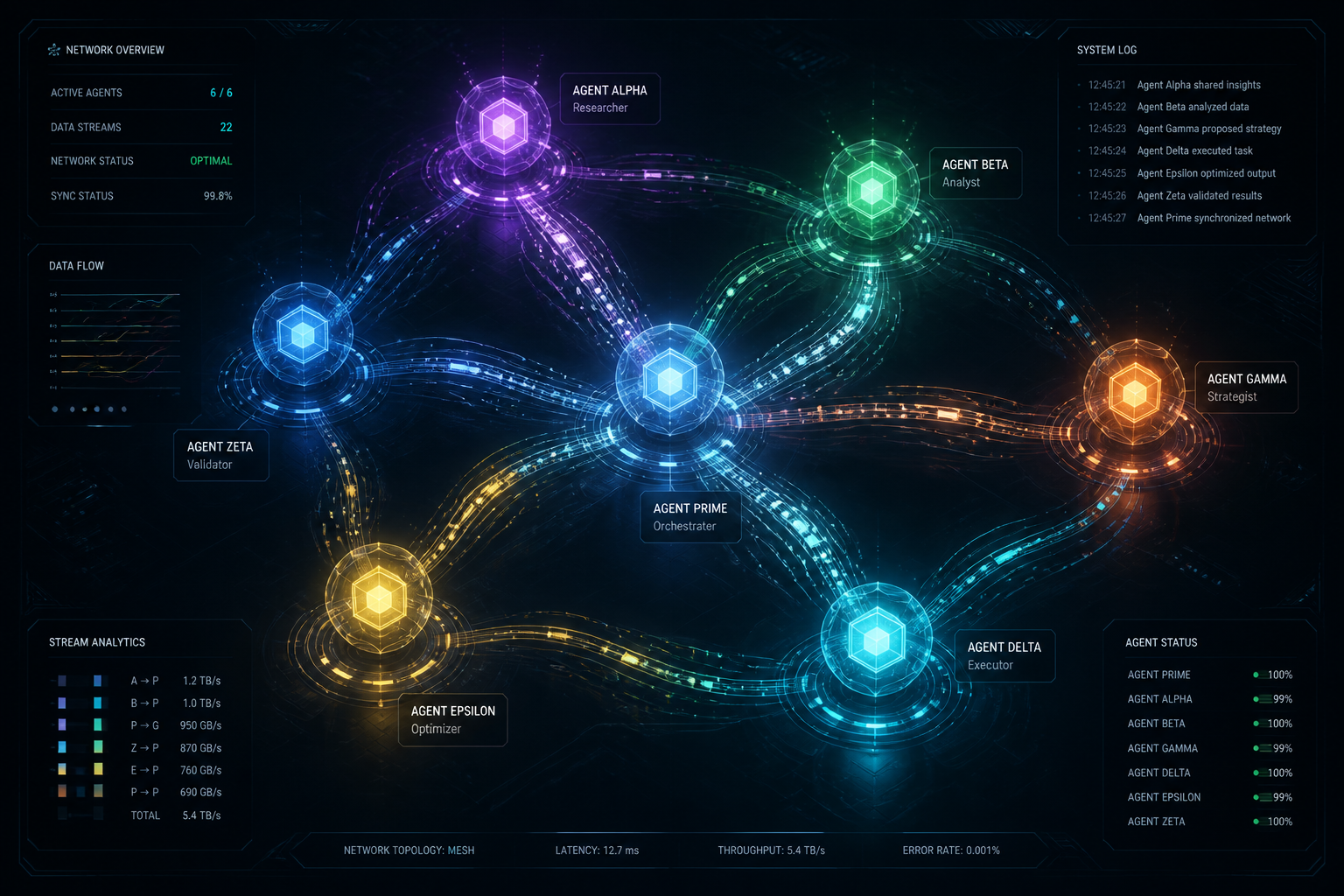
Activity: The Bottleneck
Click the button below to see what happens when one agent tries to do it all versus a network of agents.
What's in this lesson
How independent agents communicate, delegate tasks, exchange context, and coordinate work using A2A protocols.
Why this matters
The future is not one super-agent, but networks of specialized agents collaborating. A2A protocols provide the foundation for scalable, interoperable agent ecosystems.
Introduction to A2A Protocols
For AI agents to collaborate, they need a shared language and set of rules—an Agent-to-Agent (A2A) protocol. Just as TCP/IP allows computers to talk over the internet, A2A protocols standardize how agents discover each other, format messages, and coordinate actions.
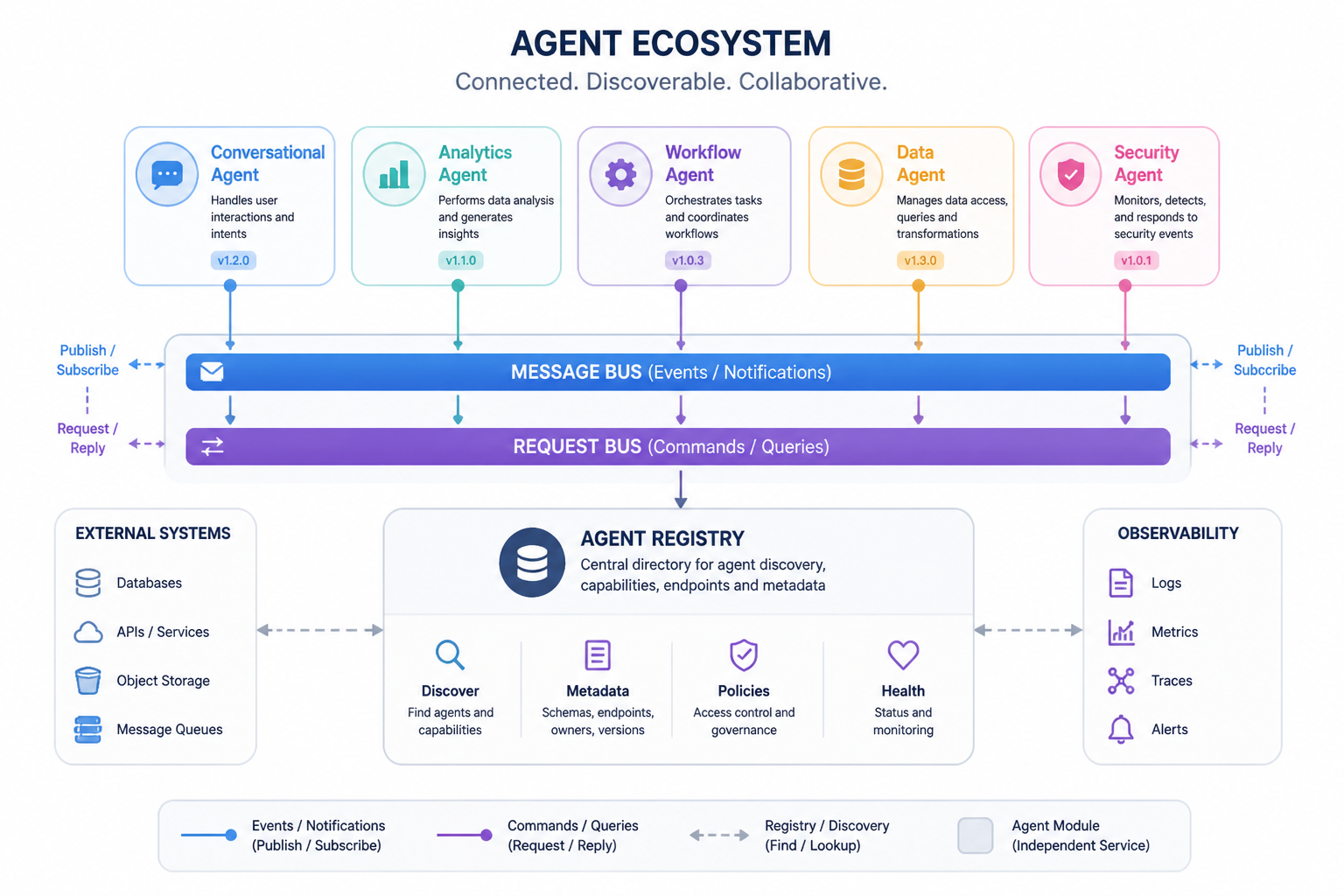
The 3 Pillars of A2A
Select a pillar to learn more.
Agent Discovery & Registration
Before agents can collaborate, they must know who exists and what they can do. This is handled by a Capability Registry. Agents publish their skills (e.g., "I can query SQL" or "I can generate images") into a shared catalog.
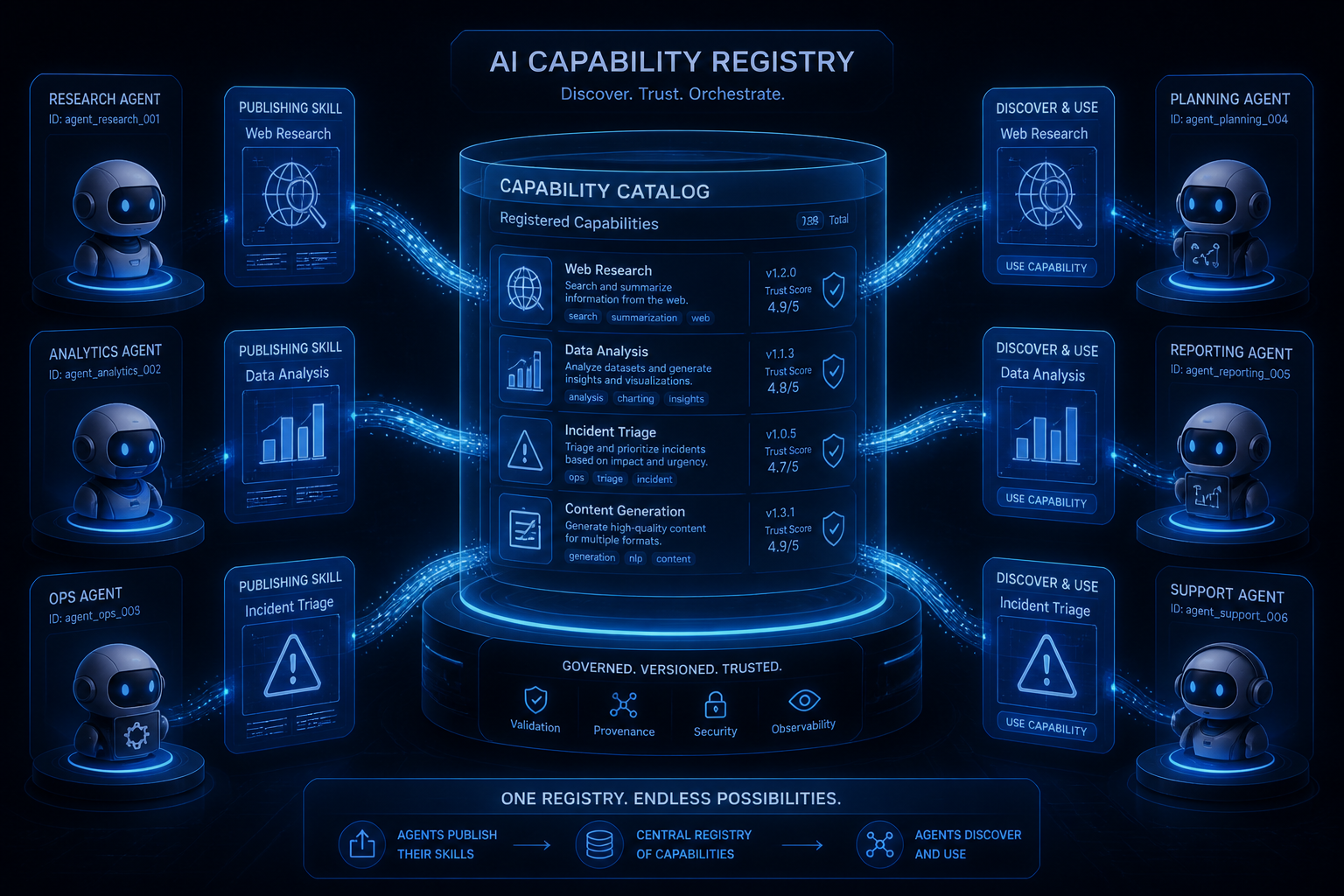
Try it: Register an Agent
Select a skill to register your new agent in the directory.
Communication Protocols & Message Schemas
When Agent A talks to Agent B, the message must be structured. Early systems used FIPA ACL (Foundation for Intelligent Physical Agents Agent Communication Language). Today, JSON-RPC, REST, and emerging standards like MCP (Model Context Protocol) are heavily used.
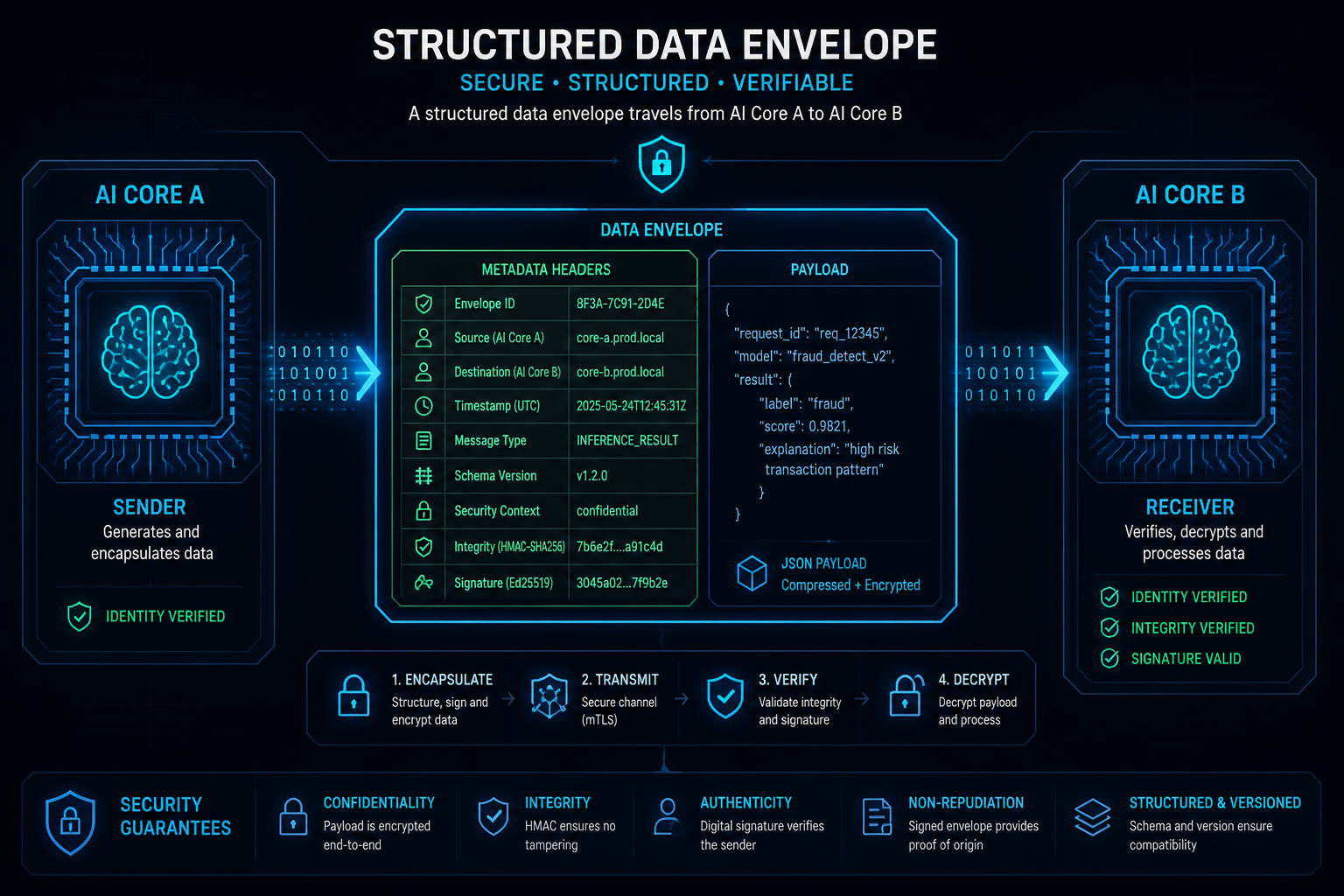
Inspect a Message Envelope
"sender": "Agent_Planner",
"receiver": "Agent_Search",
"intent": "REQUEST",
"payload": {"query": "Latest A2A protocols"},
"context_id": "ctx-9821"
}
Click "REQUEST" above to see different communicative intents (e.g., INFORM, PROPOSE).
Knowledge Check
Which of the following is the primary purpose of an agent capability registry?
Task Delegation & Handoffs
Agents don't just chat; they delegate work. When a Supervisor Agent determines a sub-task requires a specialist, it performs a handoff. A successful handoff requires passing not just the instruction, but the context (what has been done so far) and the goal state.
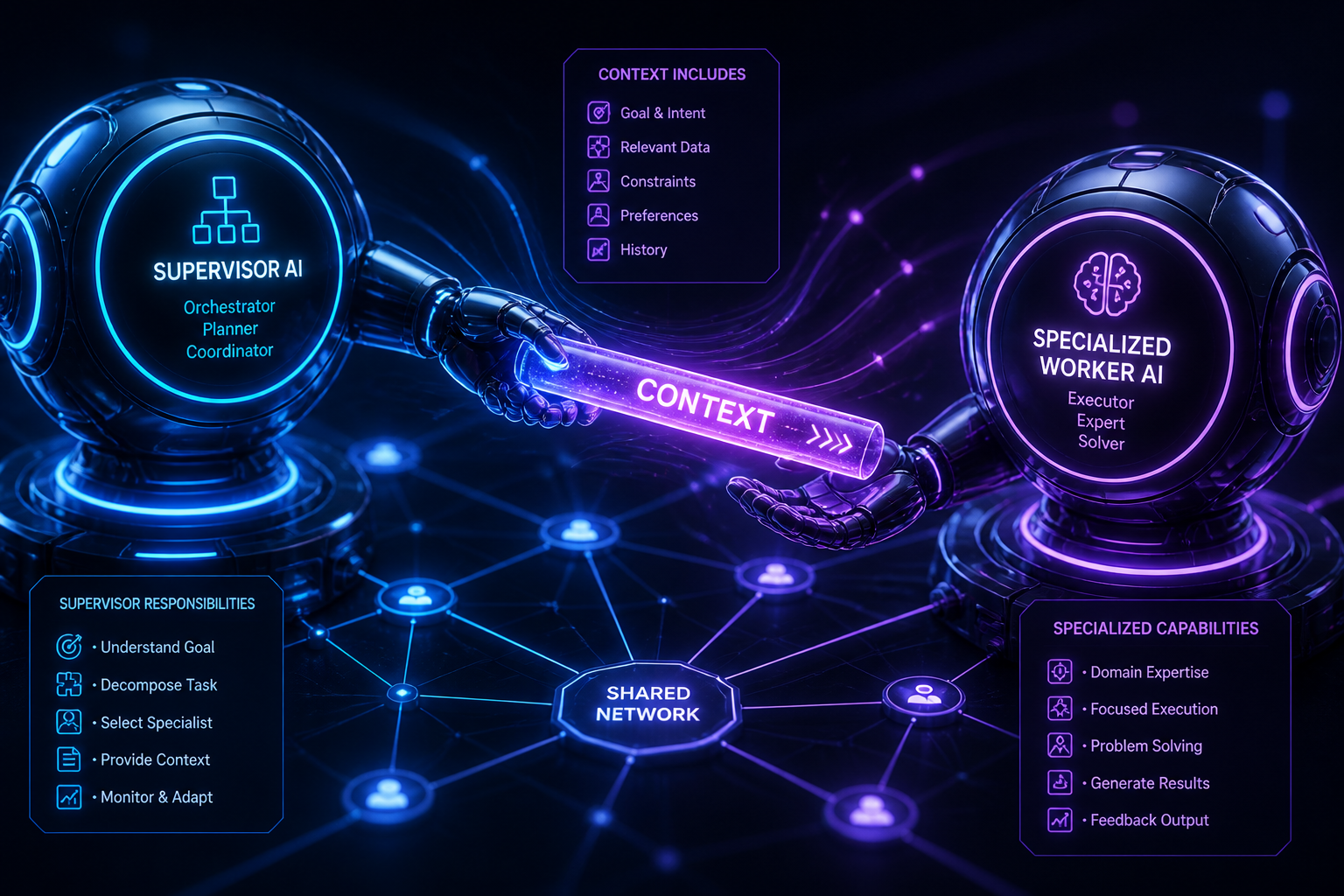
Handoff Simulation
Awaiting task delegation...
Shared Memory & Context Exchange
Passing full context in every message bloats payloads. Instead, advanced multi-agent systems use Shared Memory architectures (often backed by Vector Databases). Agents write findings to a shared "whiteboard" and only pass pointers (like a session ID) in messages.
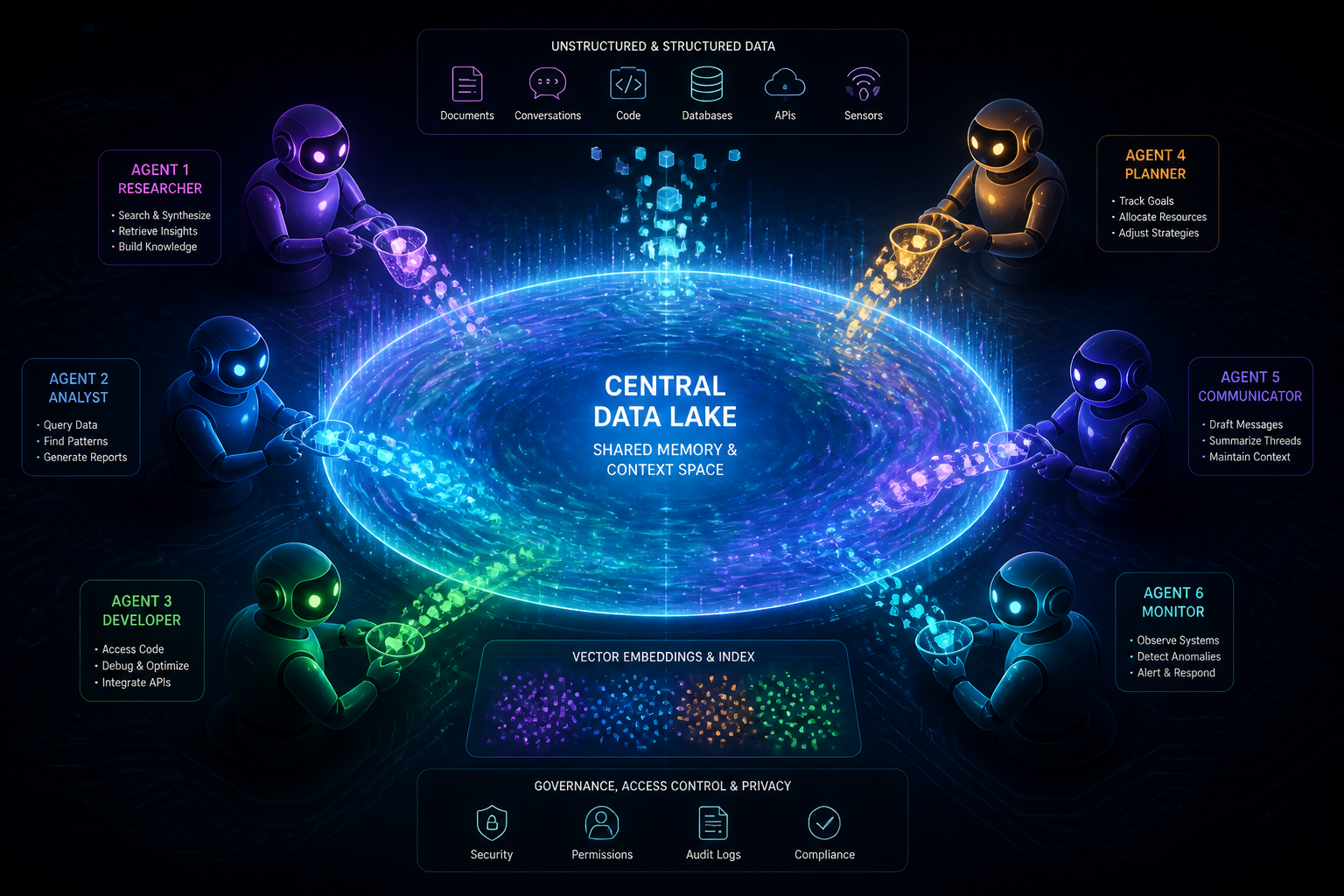
Whiteboard Pattern
State Synchronization
When multiple agents work in parallel, keeping their worldview aligned is critical to avoid race conditions or redundant work. State Synchronization ensures that if Agent A updates the master plan, Agent B immediately sees the new plan before taking its next step.
State Conflict Simulation
Agent A Local State
Plan v1
Agent B Local State
Plan v1
Agent A updates the plan to v2...
Knowledge Check
When designing a multi-agent architecture that requires agents to collaboratively update a shared plan, which pattern is most appropriate to avoid payload bloat and ensure alignment?
Multi-Agent Orchestration Frameworks
Building A2A systems from scratch is complex. Frameworks like LangGraph, AutoGen, and CrewAI provide abstractions for orchestration. They handle the underlying DAGs (Directed Acyclic Graphs), message passing, state management, and retry logic automatically.
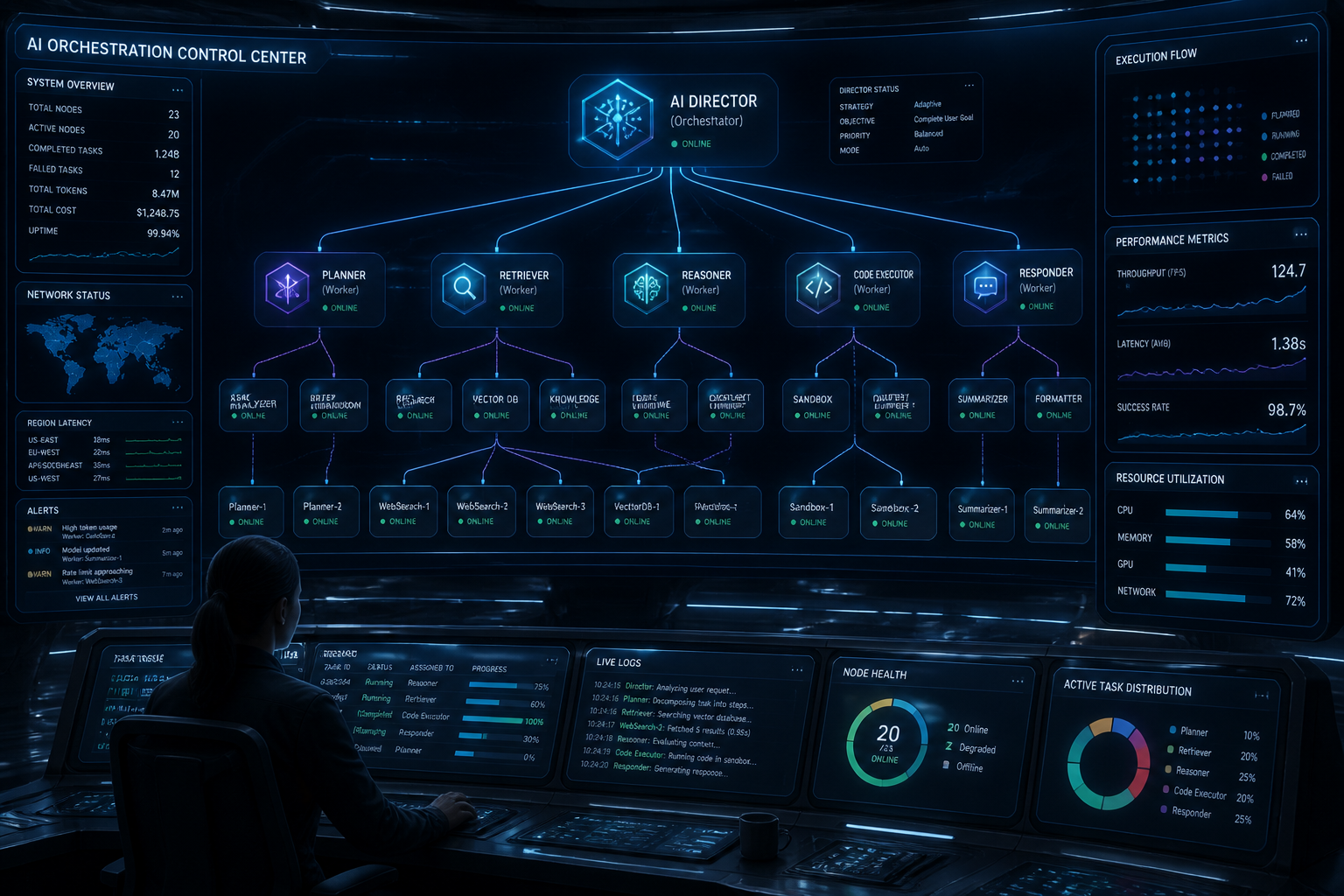
Build an Orchestration Graph
Click to add steps to your DAG.
Distributed Agent Workflows
Orchestration frameworks allow us to design complex workflows. Instead of purely sequential steps, tasks can be processed in parallel by different specialist agents and then merged. This Map-Reduce pattern drastically speeds up complex reasoning tasks.
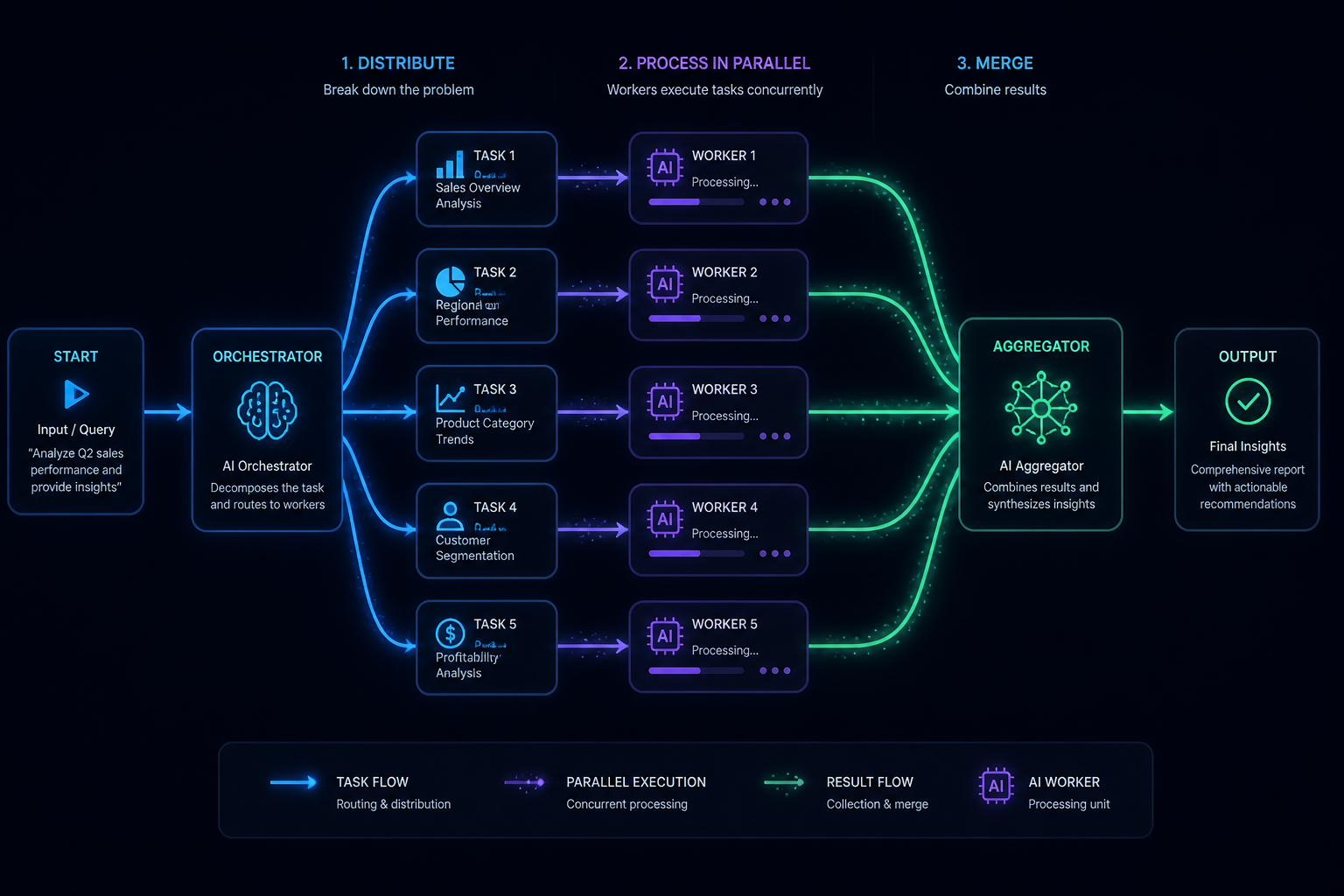
Sequential vs. Parallel Workflow
Processing 3 large documents...
Time: 0.0s
Security, Identity & Trust
If an agent receives a command to "Delete production database," how does it know the sender is authorized? A2A protocols require robust security layers: cryptographically verifiable agent identities, role-based access control (RBAC) mapped to agents, and zero-trust verification.
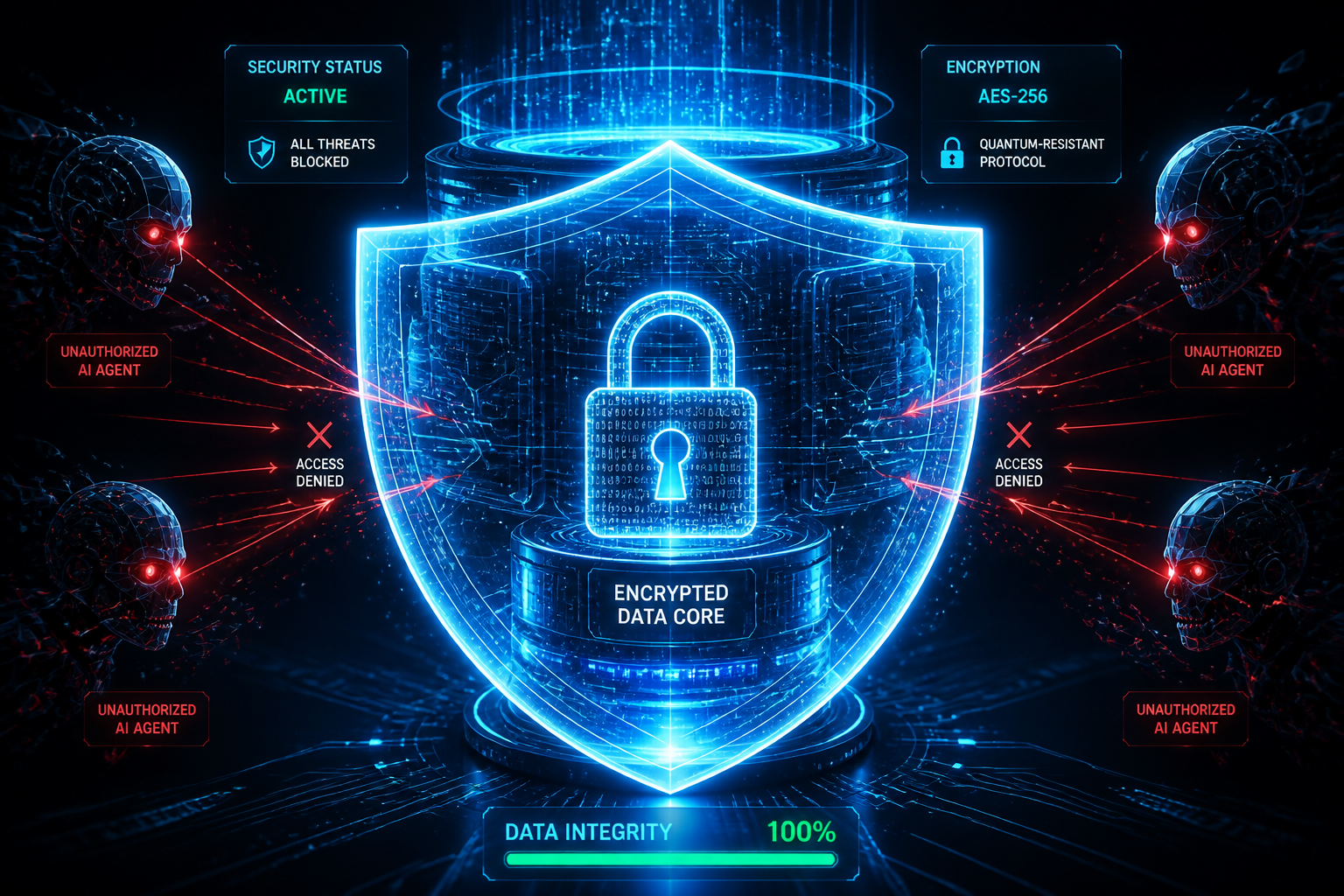
Zero-Trust Request Verification
Incoming Request: POST /api/v1/delete_records
Sender Claim: Admin_Agent_01
Cross-Agent Interoperability
The ultimate goal is an open ecosystem where an agent built in LangChain can seamlessly negotiate and collaborate with an agent built in AutoGen or a proprietary enterprise system. Standardized schemas and protocol bridges make this interoperability possible.
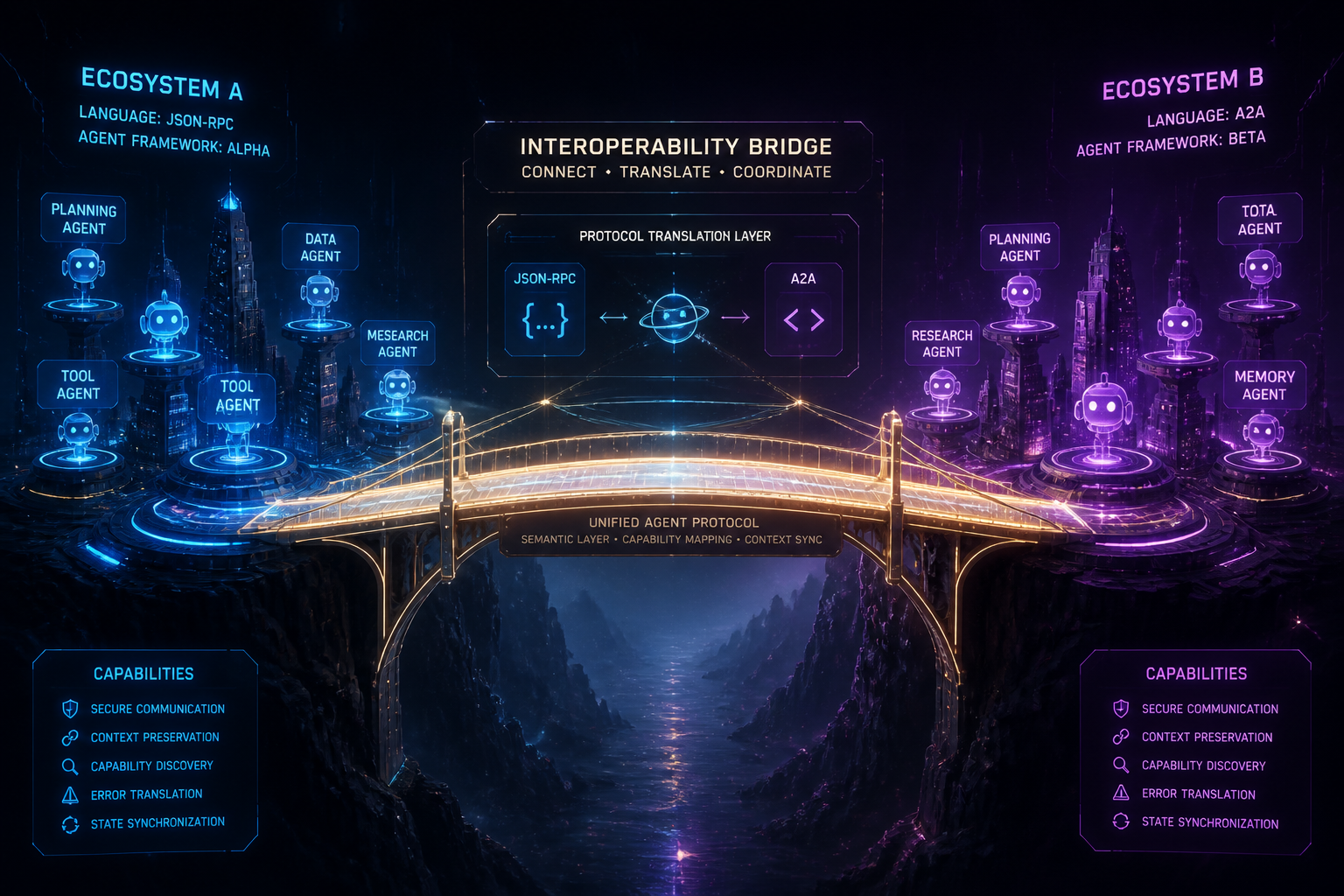
Protocol Translation Bridge
Convert an OpenAI-style function call into an Anthropic-style tool use block.
Knowledge Check
In cross-agent interoperability scenarios across different organizations, how is trust typically established between agents?
Key Takeaways
- Protocols standardize communication: A2A protocols ensure independent agents can discover, understand, and coordinate with each other.
- Registries enable discovery: Agents find collaborators by looking up required skills in a Capability Registry.
- Shared Memory beats bloated messages: Complex systems use whiteboards/vector DBs for state synchronization rather than passing full context in every message.
- Orchestration frameworks manage the DAG: Tools like LangGraph provide the scaffolding for parallel workflows and state management.
- Zero-Trust is mandatory: Interoperability requires cryptographic identity verification to ensure agent security across boundaries.
Ready for the Assessment?
You will now be tested on your understanding of Agent-to-Agent protocols. There are 5 questions.
You must answer each question to proceed. Your final score will be revealed at the end.